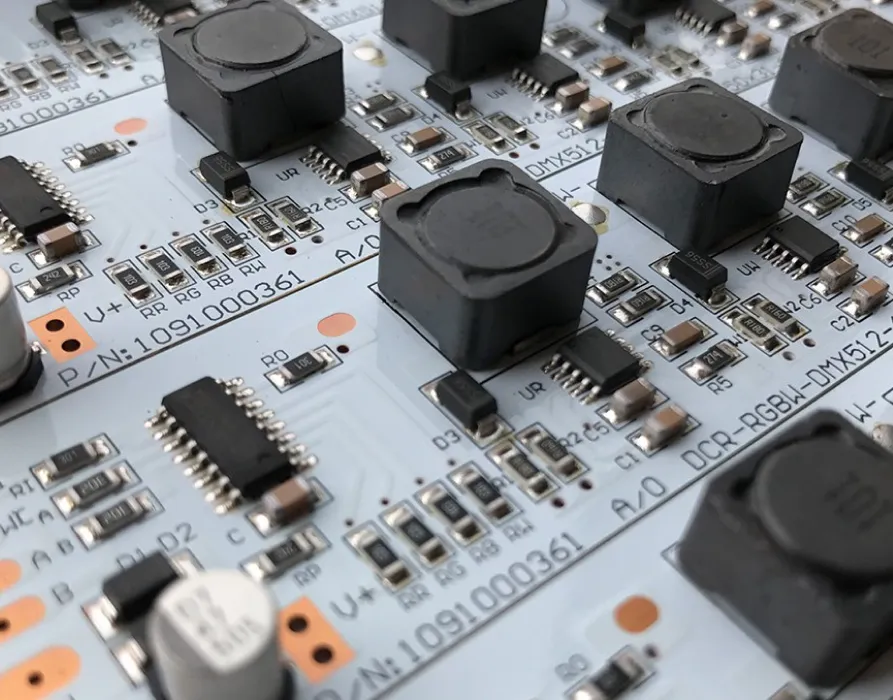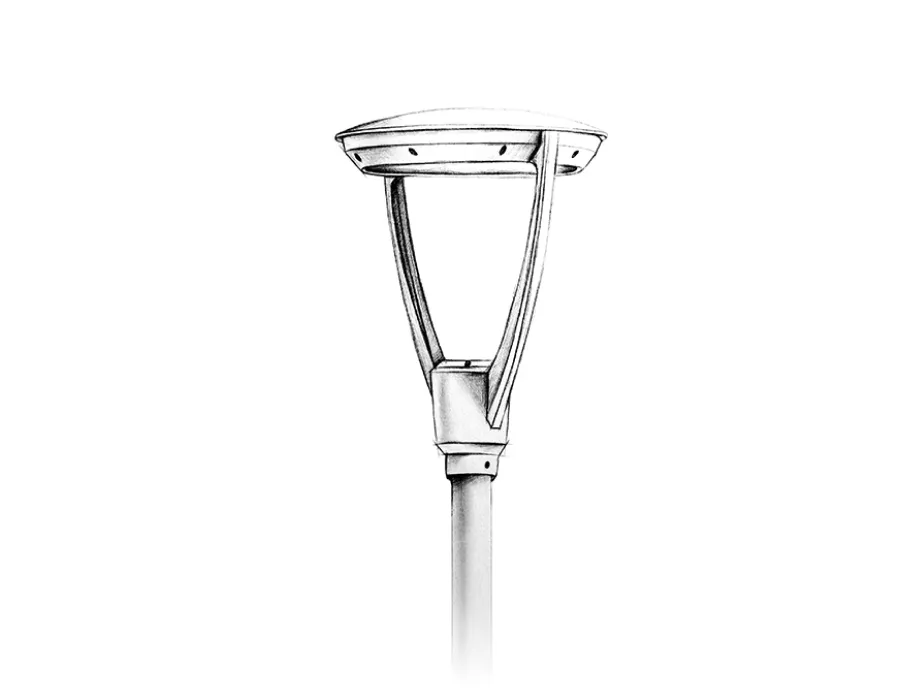
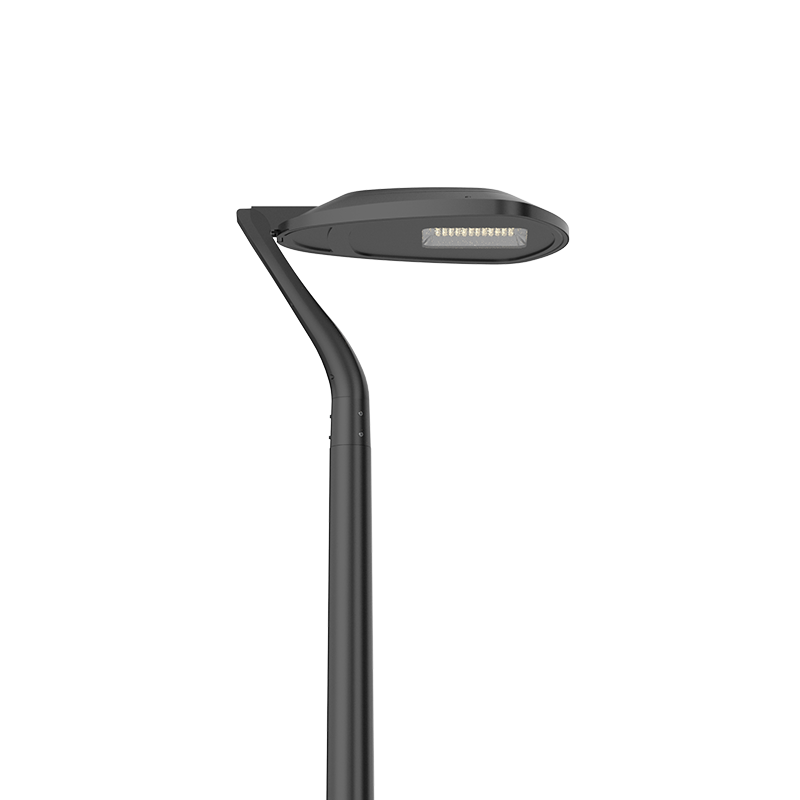
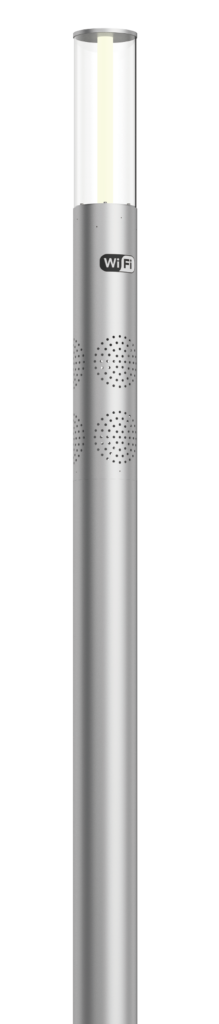
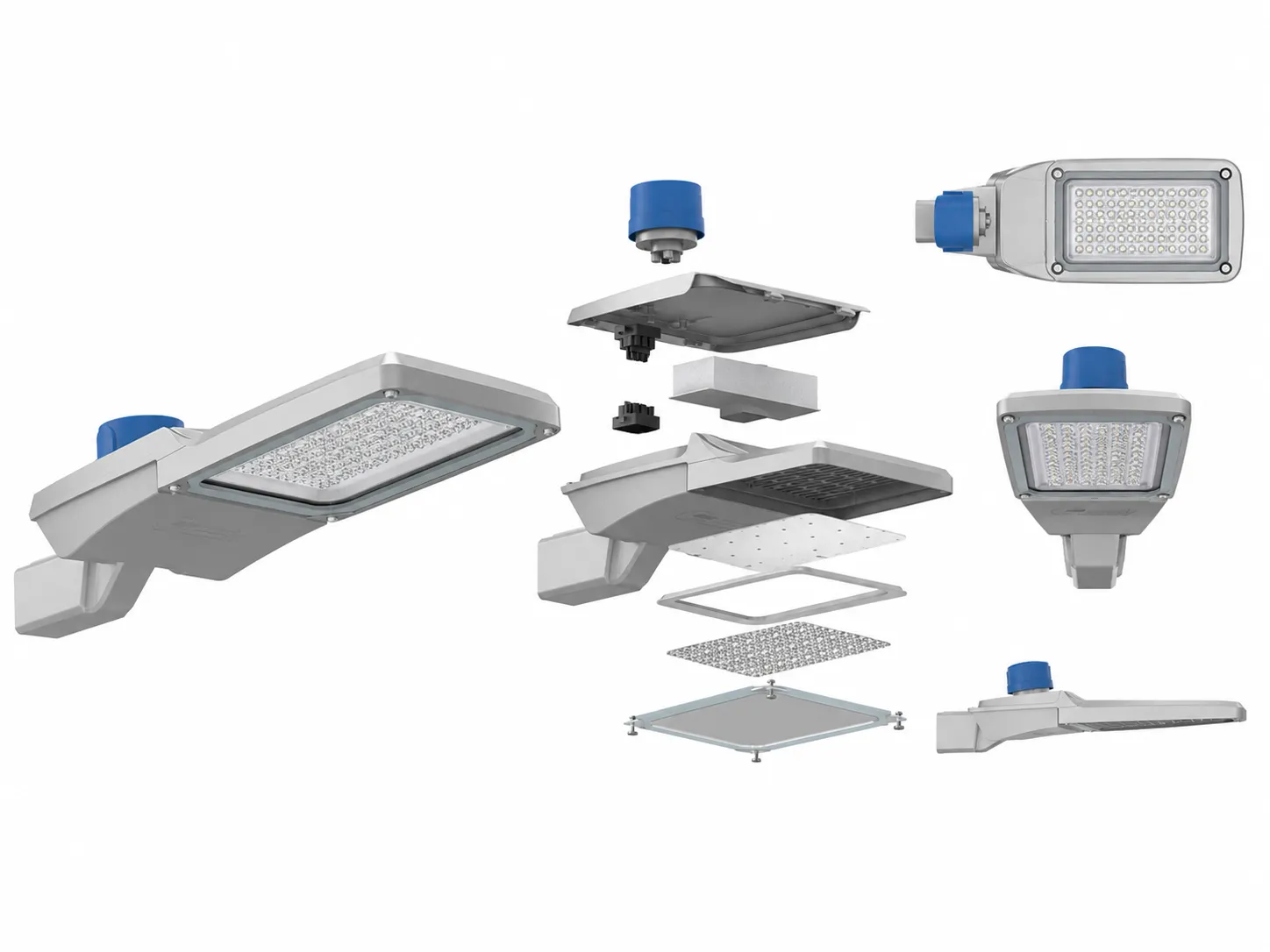
3D Simulation Design
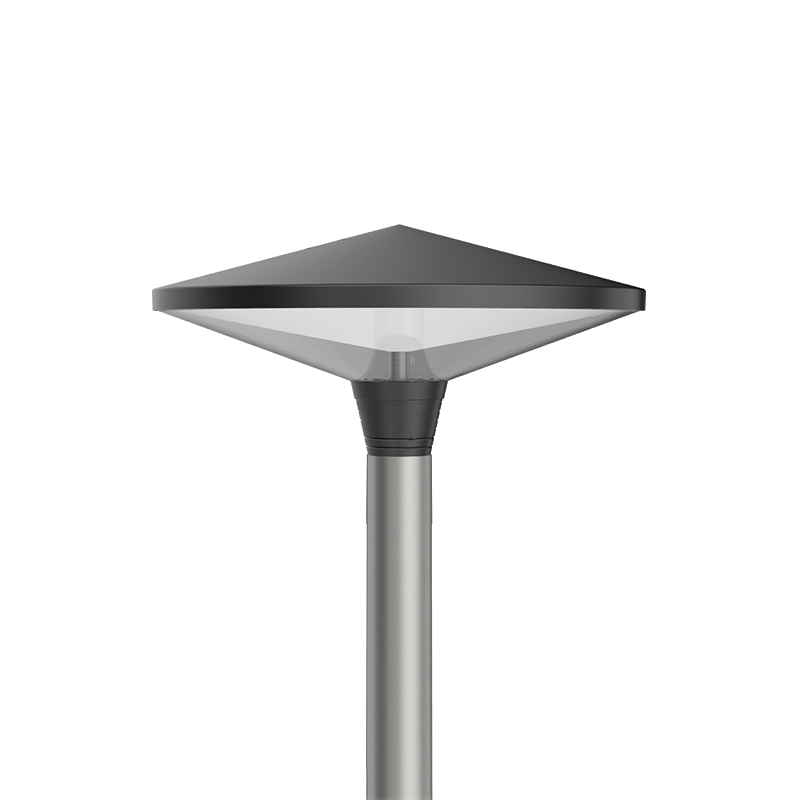
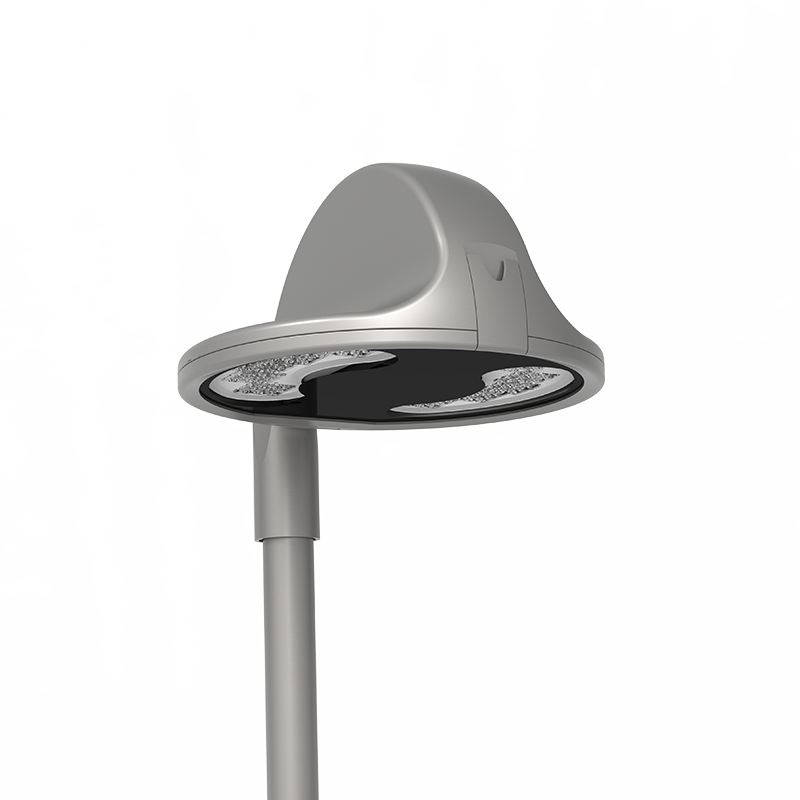
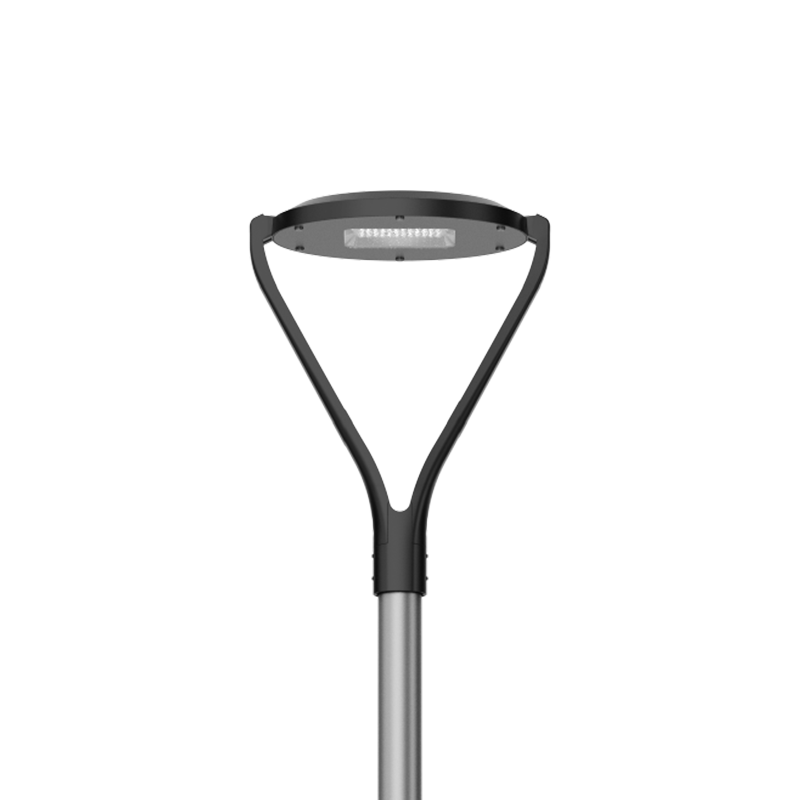
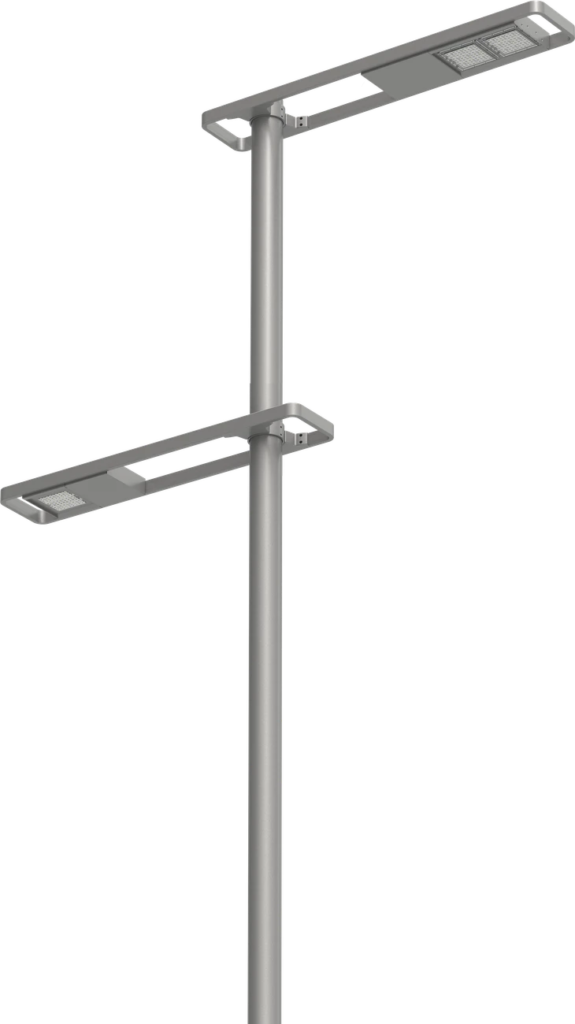
Complete 3D modeling is used to verify mechanical structure, installation space, component fit and functional details before production, helping reduce development risk and shorten the product development cycle.
OEM / ODM Garden Lighting Manufacturer
We manufacture LED garden lights for parks, pedestrian streets, residential communities and landscaped public spaces. Our range includes post-top, indirect, lantern, disc, slim rectangular and modular pole designs. We help project buyers coordinate the luminaire’s appearance with optical coverage, mounting height, control requirements and long-term service access.
Product Range
Compare 10 product series by design, mounting and application. Open each product for its model-specific dimensions, optical options and technical details.
R.4002 has 32W main lighting with five modular configurations for audio, Wi-Fi, projection, monitoring and decorative illumination.
R.4005 disc-shaped luminaire with a double-layer optical cover for a softer luminous surface.
R.3214 garden luminaire with a distinctive hat-shaped housing and several mounting arrangements.
R.4014 Y-frame post-top design with symmetrical or asymmetrical optics for paths and public spaces.
447X features slim rectangular light heads with single, twin, staggered and five-head pole arrangements for coordinated outdoor spaces.
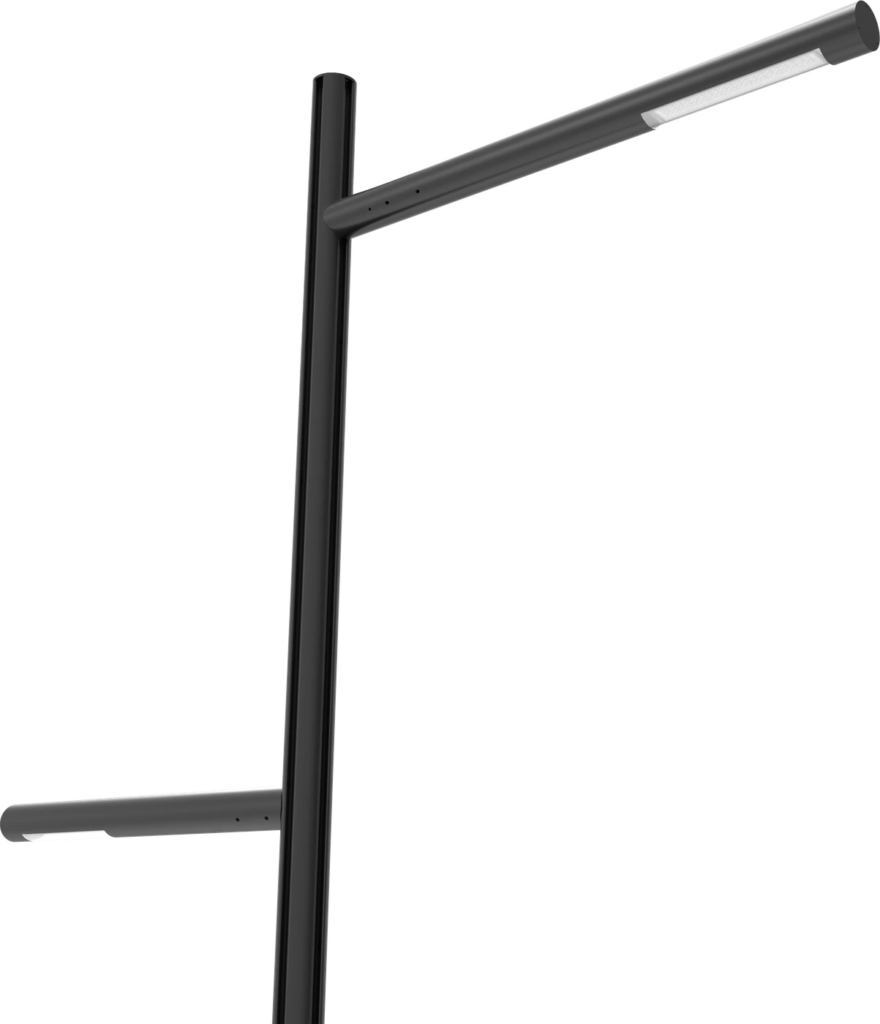
3279 combines a cylindrical column with slim lighting arms in single, twin and staggered arrangements for roads, paths and landscaped spaces.
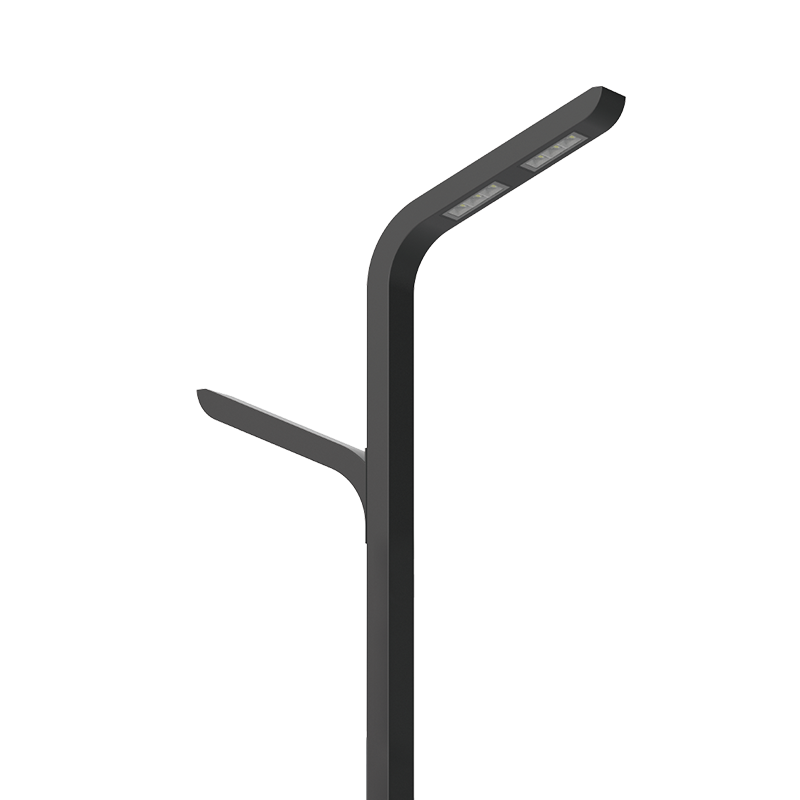
R.4015 curved-arm post-top luminaire with Type II, III, IV and V optical choices.
R.4010 steel-pole platform with removable 15W or 30W LED modules and optional smart-device integration.
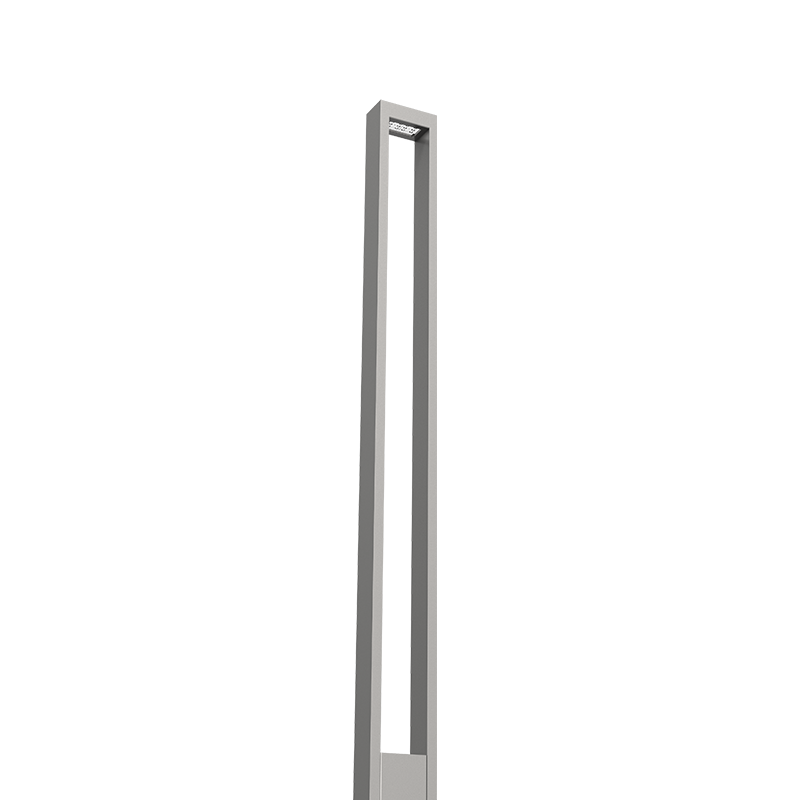
R.4401 rectangular landscape light with 3m overall height and grid-powered or solar configurations.
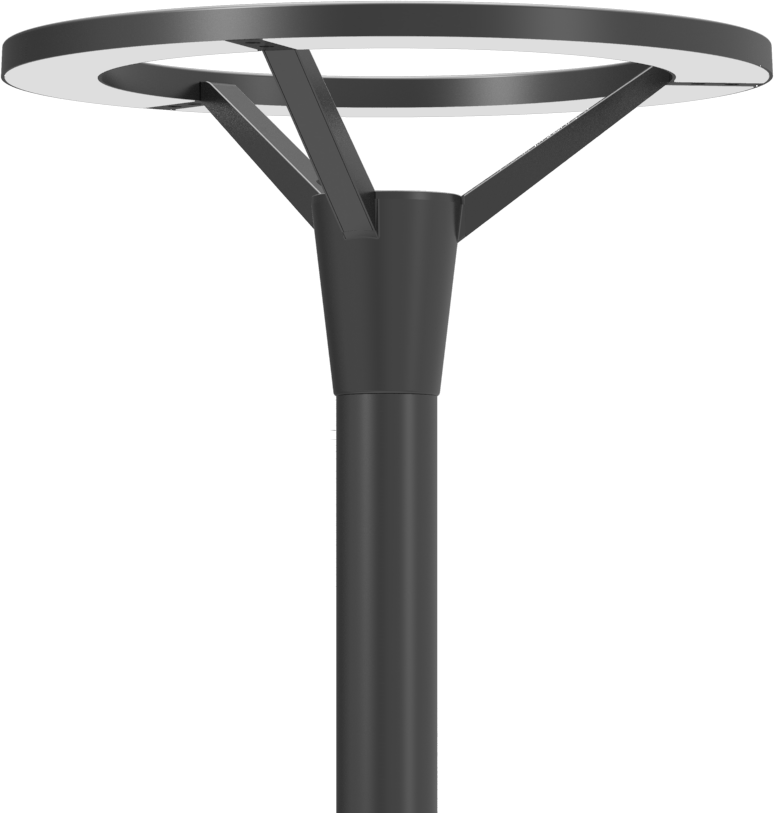
R.4405 open-ring post-top luminaire with 30W power, IP65/IK08 protection, 110° or 140° optics and a Ø60 mm pole connection.
Selection Guide
Start with the installation and lighting task, then compare the relevant product designs. Confirm the final configuration using the product datasheet and project layout.
Post-top, multi-mount or slim rectangular designs
Match the available optics to a long, narrow route.
Indirect, disc or decorative lantern designs
Review visual comfort, symmetrical coverage and architectural character.
Tree-form or rectangular pole designs
Coordinate overall height, proportions and the landscape layout.
Rotatable-module or smart-pole platforms
Define aiming directions, module configuration and required device interfaces.
Models with a listed solar option
Review solar resource, operating schedule and the proposed energy package.
System Engineering
Review the optical, mechanical and electrical choices together before confirming a specification.
Select a visual language that fits the architecture while leaving enough room for the required optical system.
Choose model-specific distribution, diffusers or indirect arrangements for the intended pedestrian environment.
Coordinate height, arm arrangement, fixture weight and the mounting interface.
Confirm the dimming method, replaceable components and access needed for maintenance.
OEM / ODM
We can review adaptations to an existing platform or a project-specific configuration. Available options, development scope and minimum quantities depend on the selected product.
Select the model and output around the target illumination and installation layout.
Review the lens or reflector options available for the selected luminaire.
Match the available white-light options to the project’s visual and technical requirements.
Confirm input supply, dimming protocol and compatible control accessories.
Review brackets, connection dimensions and aiming or pole arrangements.
Discuss color, surface finish and mechanical changes during the project review.
Specify surge, insulation and connection requirements for the installation.
Coordinate labels, logo application and export packaging for your procurement program.
Every lighting product is engineered and validated in-house before it reaches the production line. This helps shorten development cycles, reduce technical risk, and give customers a clearer understanding of product performance before mass production.
Complete 3D modeling is used to verify mechanical structure, installation space, component fit and functional details before production, helping reduce development risk and shorten the product development cycle.
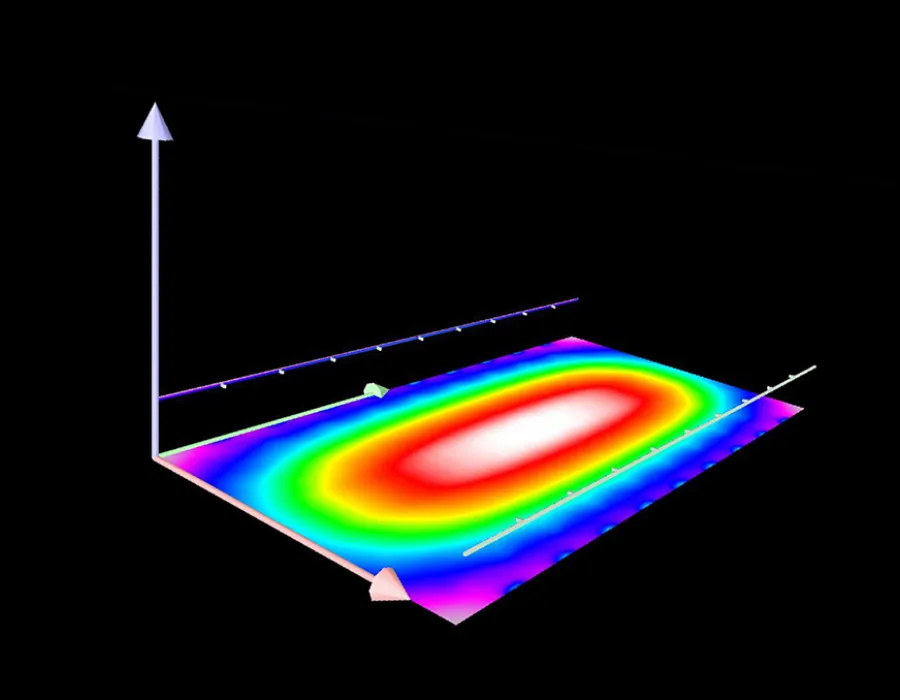
Professional lighting simulations verify illuminance, uniformity and road lighting performance before installation.
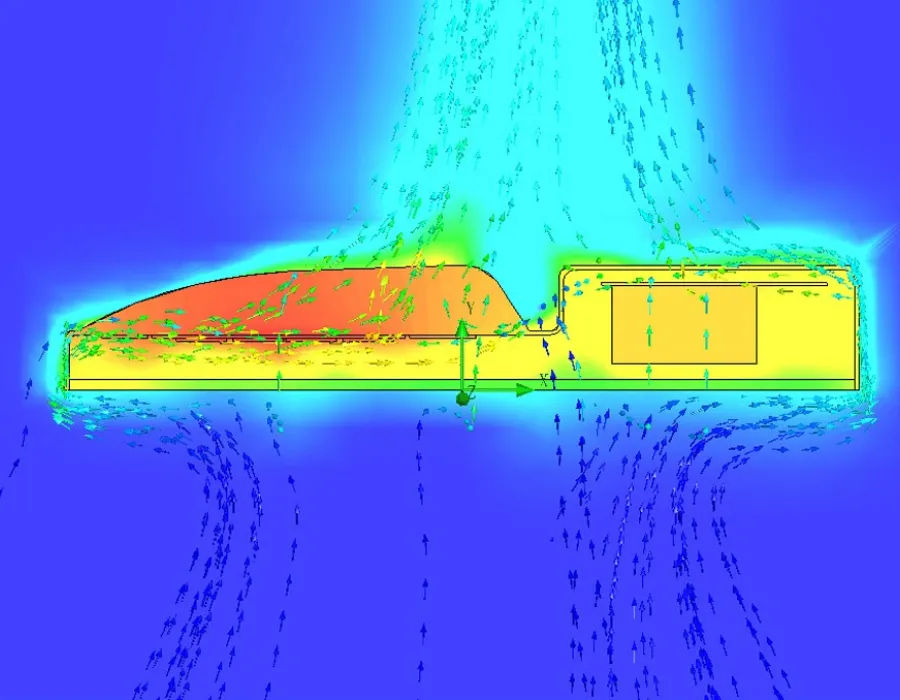
Thermal analysis evaluates heat distribution across LEDs, drivers and housings to optimize heat dissipation and service life.
Customized electronic solutions are developed for surge protection, dimming, smart controls and project-specific electrical requirements.
From concept sketches and structural development to prototype validation, ideas are transformed into practical, manufacturable lighting products.
From market requirements to validated mass production
Lighting Simulation
Assess the proposed luminaire positions against paths, planting, gathering areas and surrounding buildings. Compare usable illumination and uniformity together with light direction and visual comfort.
Landscape plan
path and plaza dimensions
pole-height preferences
appearance or finish references
control requirements
quantities
Review light distribution, usable illumination, uniformity and the proposed mounting arrangement. Confirm the selected configuration before sample approval and production.
Applications
Match the product to the site, operating schedule and installation constraints.
Combine practical route illumination with an appropriate landscape appearance.
Review visual comfort, storefronts and the desired nighttime character.
Coordinate lighting across paths, entrances and shared outdoor areas.
Select an optical layout suited to continuous travel paths.
Balance open-area coverage with architectural identity.
Use a consistent family of luminaires for entrances and internal routes.
Manufacturing
From the agreed specification to packed luminaires, the production workflow focuses on configuration accuracy and repeatable assembly.
Confirm drawings, luminaire configuration and the agreed production requirements.
Review incoming housings, optical parts, LED modules and electrical components.
Assemble the light source and thermal interfaces for the chosen configuration.
Install drivers and wiring, and configure the specified control arrangement.
Fit optical parts, seals and cable interfaces for the product design.
Check operation and stability before release to final inspection.
Verify appearance, electrical function and the order-specific requirements.
Check identification, accessories and protective packaging against the order.
Quality Control
The inspection and test scope should follow the selected model and the agreed project specification. Confirm required reports and acceptance criteria before ordering.
Review luminous output, color temperature and distribution for the selected optical configuration.
Verify supply compatibility, operation and the specified driver or dimming arrangement.
Confirm the applicable enclosure rating and the sealing requirements for the selected product.
Evaluate stability under the specified operating conditions and production test plan.
Check mounting interfaces, accessible fasteners and the assembled fixture’s condition.
Agree the drawings, reports and product documentation required for the order.
Manufacturer Capability
We connect product selection with optical design, mechanical engineering and production planning.
We review the lighting task, site drawings and mounting details to narrow down suitable product configurations.
Optical, thermal, mechanical and driver-design capabilities support sample development and specification review.
We review configuration, appearance, labeling and packaging together so your order has a clear production scope.
FAQ
Practical questions for project buyers, lighting distributors and contractors.
Post-top designs place the luminaire on a separate pole or arm. Integrated designs make the pole part of the product’s visual and mechanical structure. Compare installation, maintenance and the landscape concept before selecting.
The 30–50W indirect garden light uses a secondary reflector and diffuser, while the 35W disc model uses a double-layer optical cover. Evaluate the complete layout to judge visual comfort.
Several products list alternative distributions, including model-specific Type II, III, IV or V options. Select from the options available for that product and verify the layout using its photometric data.
No. Solar options are described on selected product pages, including the rectangular 3m light and modular smart-pole platform. Confirm the energy configuration and operating schedule separately.
Often a consistent design family can be specified with different mounting arrangements or configurations. Share the site plan so the appearance and lighting requirements can be reviewed together.
Yes. Share the chosen product, quantity, appearance requirements and technical specification. We will review configuration changes, samples, branding and packaging as part of the project scope.
More Lighting Products
Compare other outdoor lighting ranges for the remaining areas of your project.
Send us your layout, preferred product and purchasing requirements. Our team can review a suitable configuration and prepare a quotation.
Landscape plan
path and plaza dimensions
pole-height preferences
appearance or finish references
control requirements
quantities